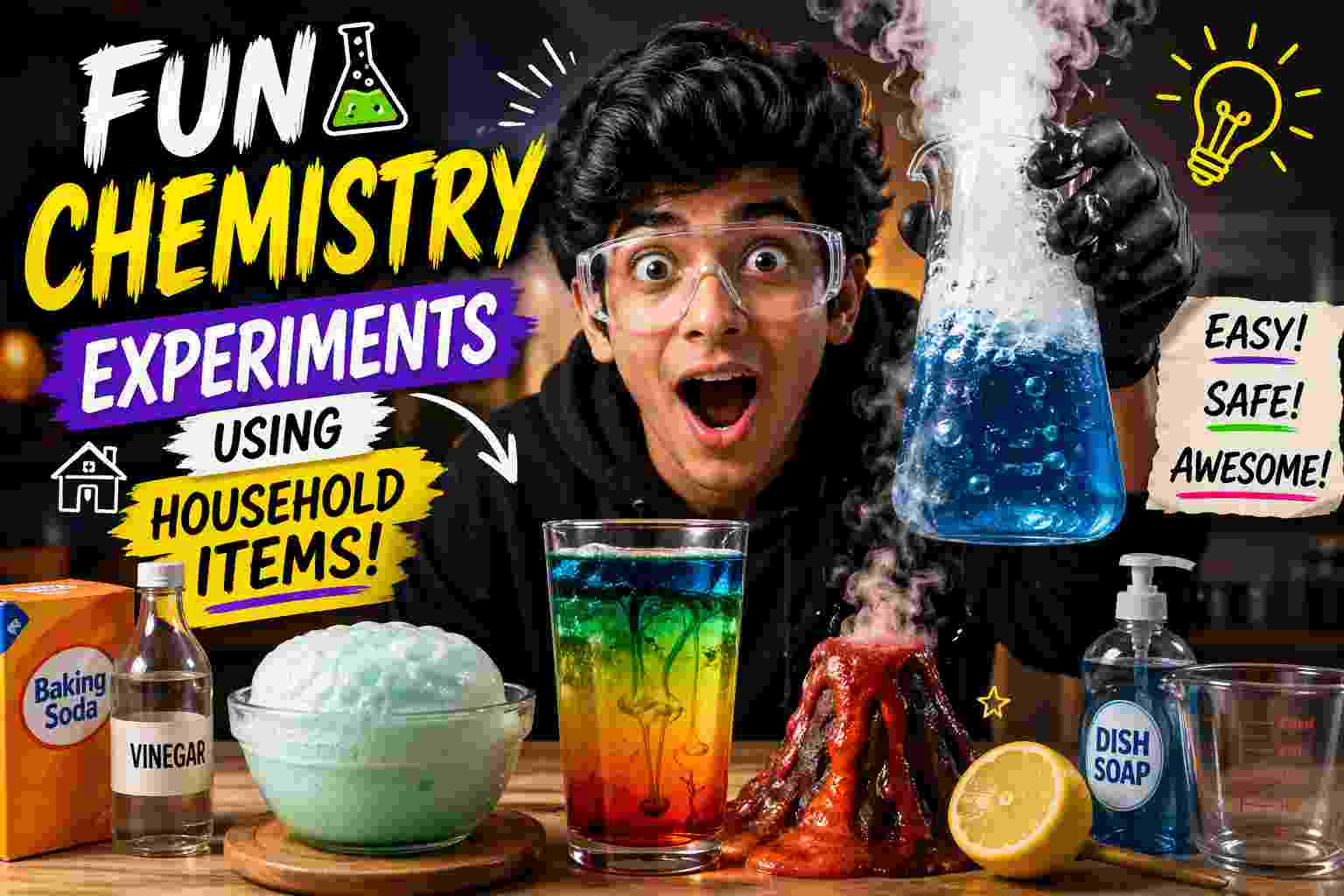
In this blog, we study Fun Chemistry Experiments Using Household Items. Chemistry experiments are simple activities where substances react to form new substances with different properties. These reactions happen because atoms rearrange themselves when conditions like mixing, heating, or adding acids/bases are applied. The “why” lies in chemical bonding—atoms seek stability, so they combine or break apart to form more stable compounds. Using everyday household items, students can safely observe these reactions in real life.
Introduction
Chemistry is not just a subject in textbooks—it’s happening all around us every day. From cooking food to cleaning surfaces, chemical reactions are constantly taking place. For ICSE students, learning chemistry becomes much easier and more exciting when you actually see these reactions in action.
The best part? You don’t need a laboratory to explore chemistry. Many fun and safe experiments can be done using simple household items like baking soda, vinegar, lemon, salt, and soap. These experiments not only help you understand basic concepts but also improve curiosity, observation skills, and scientific thinking.
In this blog, you’ll discover some easy, fun, and educational chemistry experiments that you can try at home.
Baking Soda and Vinegar Volcano 🌋
Materials Needed:
- Baking soda
- Vinegar
- Dish soap (optional)
- Food coloring (optional)
- A container or bottle
Steps:
- Place the container on a tray.
- Add 2–3 spoons of baking soda into it.
- Add a few drops of food coloring and dish soap.
- Slowly pour vinegar into the container.
What Happens?
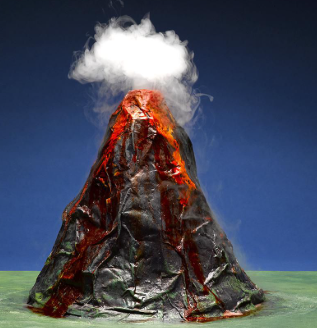
You’ll see a foamy eruption like a volcano.
Explanation:
This is an acid-base reaction. Baking soda (base) reacts with vinegar (acid) to produce carbon dioxide gas, which creates bubbles and foam.
Invisible Ink with Lemon Juice ✍️
Materials Needed:
- Lemon juice
- Cotton bud
- White paper
- Candle or bulb
Steps:
- Dip the cotton bud in lemon juice.
- Write a message on paper.
- Let it dry completely.
- Heat the paper carefully near a bulb or candle.
What Happens?
The hidden message appears!
Explanation:
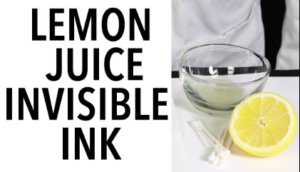
Lemon juice oxidizes and turns brown when heated, revealing the writing.
Milk and Food Coloring Magic 🥛
Materials Needed:
- Milk
- Food coloring
- Dish soap
- Cotton swab
Steps:
- Pour milk into a plate.
- Add drops of food coloring.
- Dip a cotton swab in dish soap and touch the milk.
What Happens?
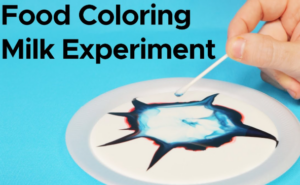
Colors start moving and creating patterns.
Explanation:
Dish soap breaks the fat molecules in milk, causing movement and mixing of colors.
Homemade pH Indicator (Using Turmeric)
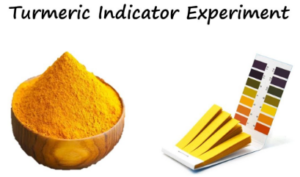
Materials Needed:
- Turmeric powder
- Water
- Soap solution
Steps:
- Mix turmeric with water to form a paste.
- Apply it on paper and let it dry.
- Add a drop of soap solution on it.
What Happens?
The yellow turmeric turns reddish-brown.
Explanation:
Turmeric acts as a natural indicator. It changes color in the presence of a base.
Sugar Crystal Formation (Mini Rock Candy) 🍬
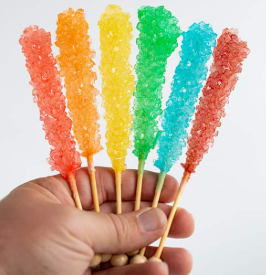
Materials Needed:
- Sugar
- Water
- Glass jar
- Thread or stick
Steps:
- Dissolve sugar in hot water until no more dissolves.
- Pour into a jar.
- Dip a thread or stick into the solution.
- Leave it for a few days.
What Happens?
Crystals start forming on the thread.
Explanation:
This is a process of crystallization, where dissolved sugar forms solid crystals as the solution cools.
Safety Tips ⚠️
- Always perform experiments under adult supervision.
- Do not taste any chemicals.
- Handle heat sources carefully.
- Clean your workspace after experiments.
🎯 Benefits of Doing Chemistry Activities
- Improves practical understanding
- Makes learning fun and interactive
- Enhances observation and thinking skills
- Builds curiosity and scientific attitude
Conclusion
Chemistry becomes fun and easy when you learn by doing. These simple experiments using household items help ICSE students understand important concepts like chemical reactions, acids and bases, oxidation, and crystallization in a practical way.
By trying these activities at home, you not only improve your knowledge but also develop a deeper interest in science. So, gather your materials and start experimenting—because learning chemistry can be exciting, creative, and full of surprises!
–: End of Fun Chemistry Experiments Using Household Items :–
–: also visit : —
Please share with your friends
Thanks