In this blog, we study Logical Reasoning Games You Can Play at Home and you’ll discover the best logical reasoning games you can play at home, along with their benefits and how to get started. Logical reasoning is the ability to think clearly, analyze situations, and solve problems using facts and patterns. It works by training your brain to connect ideas, identify relationships, and make decisions step by step. Students use logical reasoning in subjects like Maths, Science, and even English comprehension. It matters because it improves problem-solving skills, boosts memory, and helps you perform better in exams and real-life situations.


📘 Introduction
In today’s competitive academic environment, ICSE students need more than just textbook knowledge—they need strong thinking skills. Logical reasoning games are a fun and effective way to sharpen your mind while enjoying your time at home. These games challenge your brain, improve concentration, and make learning exciting. Whether you’re preparing for exams or just want to stay mentally active during holidays, logical reasoning games can be your best companion.
🧠 Benefits of Logical Reasoning Games
Playing logical reasoning games regularly can help you:
- Improve critical thinking and analytical skills
- Boost memory and concentration
- Enhance problem-solving abilities
- Increase IQ and mental speed
- Reduce stress while learning something productive
🎮 Top Logical Reasoning Games You Can Play at Home
1. Sudoku
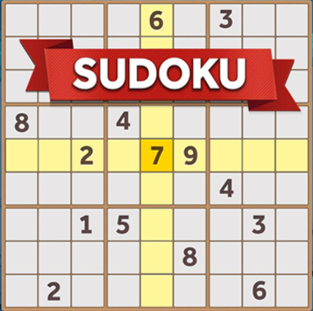
Sudoku is a number-based puzzle where you fill a 9×9 grid without repeating numbers in rows, columns, or boxes.
Why play it? Improves concentration and pattern recognition.
Tip: Start with easy levels and gradually increase difficulty.
2. Chess

Chess is a strategy board game that requires planning, foresight, and decision-making.
Why play it? Enhances strategic thinking and patience.
Tip: Play with family members or use online chess apps.
3. Puzzle Solving (Jigsaw Puzzles)

Jigsaw puzzles involve arranging pieces to complete an image.
Why play it? Develops visual reasoning and attention to detail.
Tip: Try puzzles with increasing number of pieces.
4. Riddles and Brain Teasers

These are tricky questions that require thinking outside the box.
Why play it? Boosts creative thinking and logic skills.
Example: What has keys but can’t open locks? (Answer: Keyboard)
5. Rubik’s Cube
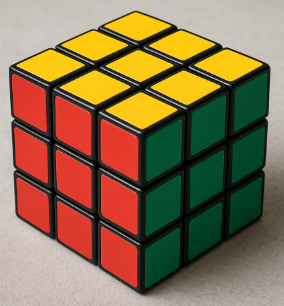
A 3D puzzle where you match colors on all sides.
Why play it? Improves memory, focus, and problem-solving speed.
Tip: Learn basic algorithms to solve it faster.
6. Logical Reasoning Worksheets
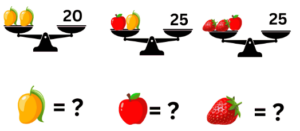
Printable worksheets with questions like series, coding-decoding, and analogies.
Why play it? Great for exam preparation and practice.
Tip: Set a timer to make it more challenging.
7. Card Games (Uno, Sequence, etc.)
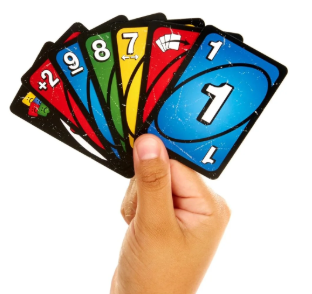
Certain card games require strategy and quick thinking.
Why play it? Improves decision-making and planning skills.
Tip: Play in groups for more fun.
🏠 How to Get Started at Home
- Choose 1–2 games you enjoy
- Set a daily 20–30 minute time
- Increase difficulty level gradually
- Play with friends or family for better engagement
- Track your improvement over time
📅 Sample Weekly Plan
- Monday : Sudoku
- Tuesday : Chess
- Wednesday : Riddles
- Thursday : Rubik’s Cube
- Friday : Worksheets
- Saturday : Puzzle Solving
- Sunday : Fun Game (Cards/Quiz)
🚀 Conclusion
Logical reasoning games are not just a way to pass time—they are powerful tools to build a sharper and smarter mind. By including these games in your daily routine, you can improve your academic performance and develop essential life skills. The best part? You can play them anytime, anywhere, right from your home.
Start today and make learning fun, engaging, and effective!
–: End of Logical Reasoning Game You Can Play at Home :–
–: also visit : —
- Best Time Table for ICSE Class 10 Students in Summer Vacation
- Summer Study Plan for ICSE Students
- Best Movies Every Students Should Watch During Holidays
Please share with your friends
Thanks