Organic Chemistry Hydrocarbon Class 10 Concise Exe-12A ICSE Chemistry Selina Solutions Chapter-12. We Provide Step by Step Answer of Exe-12(A) Hydrocarbons Questions of Exercise-12 for ICSE Class-10. The given Solutions is according to the Latest editions. Visit official Website CISCE for detail information about ICSE Board Class-10.
Organic Chemistry Hydrocarbon Class 10 Concise Exe-12A ICSE Chemistry Selina Solutions Chapter-12
| Board | ICSE |
| Book / Publication | Concise / Selina |
| Subject | Chemistry |
| Class | 10th |
| Writer | Dr SP Singh |
| Chapter-12 | Organic Chemistry |
| Exe-12A | Hydrocarbon |
| Edition | 2025-2026 |
Questions on Hydrocarbons with Solutions
Organic Chemistry Hydrocarbon Class 10 Concise Exe-12A ICSE Chemistry Selina Solutions Chapter-12
Page-202
Write the IUPAC name of:
Que-1(a):
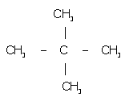
Ans : 2,2 dimethyl propane
Que-1(b):
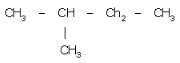
Ans: 2-methyl butane
Que-1(c):
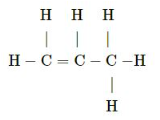
Ans: Prop-1-ene
Que-1(d):
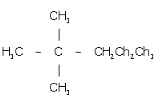
Ans: 2,2-dimethyl pentane
Que-1(e):
CH3 – C = C – CH2CH2
Ans: Pent-2-ene
Que-1(f):
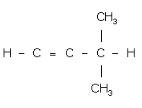
Ans: 3-methyl but-1-yne
Que-1(g):
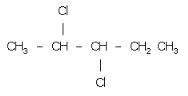
Ans: 2,3-dichloro pentane
Que-1(h):
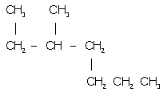
Ans: 3-methyl heptane
Que-1(i):
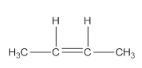
Ans: Bute-2-ene
Que-1(j):

Ans: Hept-2-yne
Que-1(k):
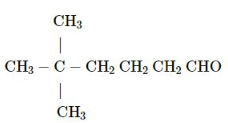
Ans: structure of 2,2, di methyl hexanal
Que-1(L):
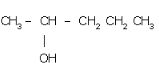
Ans: Pent-2-ol
Que-1(m):
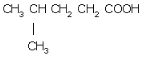
Ans: 2-methyl pent-1-oic acid
Que-1(n):
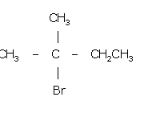
Ans: 2-bromo-2-methyl butane
Que-1(o):
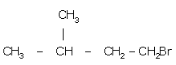
Ans: 1-bromo-3-methyl butane
Que-1(p):
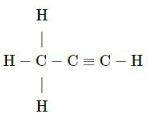
Ans: Prop-1-yne
Que-1(q):

Ans: Methanal
Que-1(r):
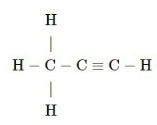
Ans: Prop-1-yne
Que-1(s):
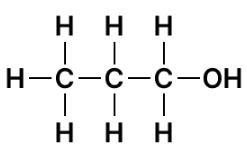
Ans: Propan-1-ol
Que-1(t):
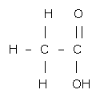
Ans: Ethanoic acid
Que-1(u):
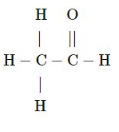
Ans: ethenal
Que-1(v):
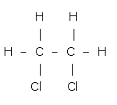
Ans: 1,2-dichloro ethane
Que-2: Write the structures of the following compounds:
(a) Prop-1-ene
(b) 2,3-dimethylbutane
(c) 2-methylpropane
(d) 3-hexene
(e) Prop-1-yne
(f) 2-methylprop-1-ene
(g) Alcohol with molecular formula C4H10O
Ans: The structure of the following compounds are:
(a) Prop-1-ene
CH3-CH=CH2
(b) 2,3-dimethylbutane
CH3-CH(CH3)-CH(CH3)-CH3
(c) 2-methylpropane
CH3-CH(CH3)-CH3
(d) 3-hexene
CH3-CH2-CH=CH-CH2-CH3
(e) Prop-1-yne
CH3-C?CH
(f) 2-methylprop-1-ene
CH3-C(CH3)=CH2
(g) Alcohol with molecular formula C4H10O
CH3-CH2-CH2-CH2-OH
Que-3: Choose the correct answer:
(a) C5H11 is an
(i) Alkane
(ii) Alkene
(iii) Alkyne
(iv) Alkyl group
(b) A hydrocarbon of the general CnH2n is
(i) C15H30
(ii) C12H26
(iii) C8H20
(iv) C6H14
(c) The total number of different carbon chains that four carbon atoms form in alkane is
(i) 5
(ii) 4
(iii) 3
(iv) 2
(d) CH3-CH2-OH and CH3-O-CH3 are
(i) Position isomers
(ii) chain isomers
(iii) homologous
(iv) functional group isomers
(e) The IUPAC name of the compound is
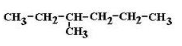
(i) 3-trimethylhexane
(ii) 3-methyl hexane
(iii) 4-methyl hexane
Ans:
(a) Correct option (iv) CnH2n+1 is the formula for alkyl group. Hence it is C5H11.
(b) Correct option (i) A hydrocarbon of general CnH2n is C15H30.
(c) Correct option (iv) The total number of carbon chains that four carbon atoms form in alkane is 2.They are
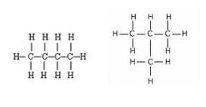
(d) Correct option (iv) functional isomers as they have same molecular formula but different functional groups.
(e) Correct option (ii)
The IUPAC name of this compound is: 3-methyl hexane.
Que-4: Fill in the blanks using the appropriate words given in the brackets :
(a) Propane and ethane are________. (Homologues, isomers)
(b) A saturated hydrocarbon does not participate in a/an _________ reaction.(substitution, addition)
(c) Succeeding members of a homologous series differ by______. (CH,CH2,CH3)
(d) As the molecular masses of hydrocarbons increase, their boiling points ______ and melting point ______. (increase, decrease)
(e) C25H52 and C50H102 belong to ______ homologous series.(the same, different)
(f) CO is an _______Compound.(organic, inorganic)
(g) The chemical properties of an organic compound are largely decided by the …….. and the physical properties of an organic compound are largely decided by the _______. (functional group, number of carbon atoms)
(h) CHO is the functional group of an______. (alcohol, aldehyde)
(i) The root in the IUPAC name of an organic compound depends upon the number of carbon atoms in______. (any chain, principal chain)
(j) But-1-ene and but-2-ene are examples of _____ isomerism. (Chain , position , functional)
Ans:
(a) Propane and ethane are homologues.
(b) A saturated hydrocarbon does not participate in a/an addition reaction.
(c) Succeeding members of a homologous series differ by CH2.
(d) As the molecular masses of hydrocarbons increase, their boiling points Increase and melting point increase.
(e) C25H52 and C50H102 belong to the same homologous series.
(f) CO is an inorganic Compound.
(g) The chemical properties of an organic compound are largely decided by the functional group and the physical properties of an organic compound are largely decided by the number of carbon atoms.
(h) CHO is the functional group of an aldehyde.
(i) The root in the IUPAC name of an organic compound depends upon the number of carbon atoms in Principal Chain.
(j) But-1-ene and but-2-ene are examples of position isomerism.
Que-5: Define or explain chain isomerism and position isomerism with examples in each case.
Ans:
Chain isomerism :– Chain isomerism arises due to the difference in the arrangement of C atoms in the chain.
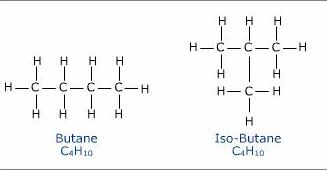
example:- there are two isomers of butane, C4H10. In one of them, the carbon atoms lie in a “straight-chain” whereas in the other the chain is branched.
Position isomerism:- It is due to the difference in the position of functional groups.
example:- there are two structural isomers with the molecular formula C3H7Br. In one of them, the bromine atom is at the end of the chain, whereas in the other it is attached in the middle.
Que-6:
(a) Define the term isomerism. State two main causes of isomerism.
(b) Draw the chain isomers of hexane (C6H14) .
(c) Draw position isomers of butane (C4H8) ?
Ans:
(a) Isomerism: Compounds having the same molecular formula but different structural formula are known as isomers and the phenomenon as isomerism.
Two main causes of isomerism :
Difference in mode of linking of atoms.
Difference in the arrangement of atoms or groups in space.
(b)
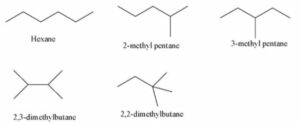
(c)
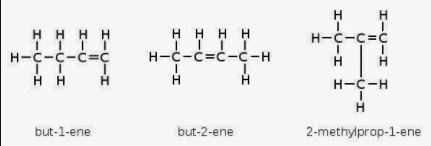
Que-7: Draw the structural formula for each of the following compounds:
(a) isomer of n-butane
(b) vinegar
(c) 2-propanol
(d) ethanol
(e) acetone
(f) diethyl ether
(g) propanoic acid
(h) pentan-2-ol
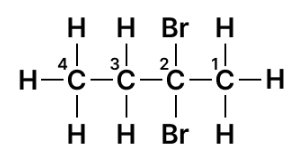
(i) 2,2-dibromobutane
What is used to describe these compounds taken together?
Ans:
(a)

(b)

(c)

(d)

(e)
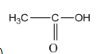
(f) 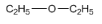
(g)
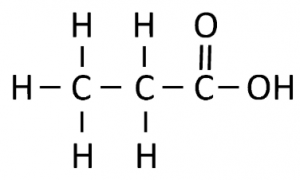
(h)
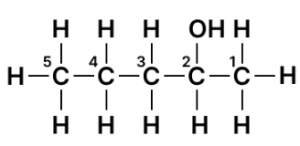
(i)
Que-8:
(a) What is the special feature of the structure of
(i) ethene (C2H4 )
(ii) ethyne (C2H2 ) 2019
(b) What type of reaction is common to both these compounds? Why does methane not undergo this type of reaction?
(c) What is IUPAC name of dimethyl ether. (2018)
Ans:
(a) 
(Ethene)
In the above structure, both carbons are bonded
with double bonds.
(ii)  (Ethyne)
In the above structure, both carbons are bonded
with triple bonds.
(b) Addition reactions are common to both these compounds. Methane does not undergo this type of reaction because it is bounded with four hydrogen atoms, while in ethane, double bonds break and provide a site for addition.
(c) Methoxymethane
Que-9: Which type of reaction will (i) ethane and (II) ethane undergo?
Ans:
(i) Ethane undergoes substitution reactions.
(ii) Ethene undergoes addition reactions.
Que-10: Choosing only words from the following list, write down appropriate words to fill in the blanks from (a) to (e) given below. Addition, carbohydrates, CnH2n-2, CnH2n,CnH2n+2, electrochemical homologous, hydrocarbon, saturated, substitution, unsaturated.
The alkanes form an (a) ………… series with the general formula (b) ………….. The alkanes are (c) …………. (d) …………… which generally undergo (e) …………. reactions.
Ans: The alkanes form an (a) electrochemical homologous series with the general formula (b) CnH2n+2. The alkanes are (c) saturated (d) hydrocarbons which generally undergo (e) substitution reactions.
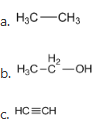
Que-11: Draw the structural formula of a compound with two carbon atoms in each of the following cases.
(a) An alkane with a carbon to carbon single bond
(b) An alcohol containing two carbon atoms
(c) An unsaturated hydrocarbon with a carbon to carbon triple bond
Ans:
Que-12: Ethane, Ethene, Ethanoic acid, Ethyne, Ethanol From the above, name
(a) The compound with -OH as the part of its structure.
(b) The compound with -COOH as the part of its structure.
(c) Homologue of the homologous series with the general formula CnH2n.
Ans:
(a) Ethanol
(b) Ethanoic acid
(c) Ethene
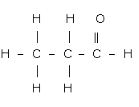
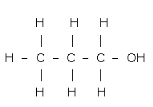
Que-13: Give the correct IUPAC name and the functional group for each of the compounds whose structural formulae are given below:
(a)
(b)
Ans:
(a) Propanal
(b) Propanol
Que-14: Copy and complete the following table which relates to three homologus series of hydrocarbons:
| General formula | CnH2n | CnH2n-2 | CnH2n+2 |
| IUPAC name of the homologus series | |||
| Characteristic bond type | Single bond | ||
| IUPAC name of the first member of the series | |||
| Type of reaction with chlorine | Addition |
Ans: The homologous series of hydrocarbons are:
| General formula | CnH2n | CnH2n-2 | CnH2n+2 |
| IUPAC name of the homologus series | Alkenes | Alkynes | Alkanes |
| Characteristic bond type | Double bond | Triple bond | Single bond |
| IUPAC name of the first member of the series | Ethene | Ethyne | Methane |
| Type of reaction with chlorine | Addition | Addition | Substitution |
Que-15: Fill in the blanks with correct words from the brackets:
(a )Alkenes are the (i) _______ (analogous/homologous) series of (ii ) ______ (saturated /unsaturated) hydrocarbons. They differ from alkanes due to presence of (iii) _______ (double/ single) bonds. Alkenes mainly undergo (iv) ______ (addition/ substitution) reactions.
(b) The organic compound which undergoes substitution reaction is ……. {C2H2, C2H4, C10H18, C2H6 }
(c) Draw the structural formulae of the two isomers of Butane. Give the correct IUPAC name of each of the isomer.
Ans:
(a) Alkenes are the (i) homologous series of (ii) unsaturated hydrocarbons. They differ from alkanes due to presence of (iii) single bonds. Alkenes mainly undergo (iv) addition reactions.
(b) The organic compound which undergoes substitution reaction is C2H6.
(c) structural formulae of the two isomers of Butane
Que-16: Name:
(a) The saturated hydrocarbon containing two carbon atoms.
(b) An alcohol with three carbon atom.
(c) A triple bond hydrocarbon with two carbon atoms.
(a) Ethane [C2H6]
(b) Propan-1-ol [C3H7OH]
(c) Ethyne [C2H4]
—: End of Organic Chemistry Hydrocarbon Class 10 Concise Exe-12A ICSE Chemistry Selina Solutions : –
Return to:- Concise Selina Chemistry for ICSE Class-10 Solutions
Please Share with Your Friends if Helpful
Thanks