In this blog, we study Online vs Offline Classes: What’s Better in Today’s Scenario? Online classes are learning sessions conducted through the internet using platforms like video calls, recorded lectures, and digital study materials. Students attend classes from home using devices such as smartphones, laptops, or tablets. On the other hand, offline classes refer to the traditional classroom setup where students physically attend school or coaching institutes, interact face-to-face with teachers, and follow a fixed schedule. Both methods aim to deliver education, but they differ in how learning takes place.

Introduction
Education has changed rapidly in recent years, especially after the rise of digital technology and global disruptions. Today, students have the option to choose between online and offline classes, each offering its own set of advantages and challenges. While online learning provides flexibility and access to global resources, offline classes offer discipline, direct interaction, and a structured environment. This has created an important question for students and parents alike: which mode of learning is better in today’s scenario? Understanding both systems can help in making the right choice.
Online Classes: Advantages and Disadvantages
Advantages:
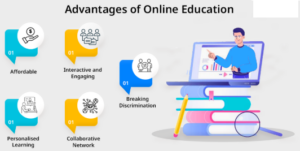
Online classes have made learning more accessible than ever before. Students can attend lectures from anywhere, saving travel time and energy. They also get access to recorded sessions, allowing them to revise concepts anytime. Additionally, online learning often provides a wide variety of resources, including videos, quizzes, and interactive tools.
Disadvantages:

However, online classes can lead to distractions at home, reducing concentration. Not all students have access to stable internet or proper devices, which can create inequality. Moreover, lack of face-to-face interaction may affect communication skills and understanding for some learners.
Offline Classes: Advantages and Disadvantages
Advantages:
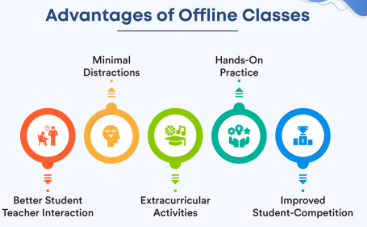
Offline classes provide a disciplined and structured environment. Students can directly interact with teachers, ask questions instantly, and participate in group activities. This method also helps in building social skills and maintaining a regular routine.
Disadvantages:

On the downside, offline classes require travel, which can be time-consuming. Students have less flexibility in terms of schedule, and if they miss a class, it may be difficult to cover the missed content. Also, learning is limited to what is taught in the classroom at that moment.
Which Is Better in Today’s Scenario?
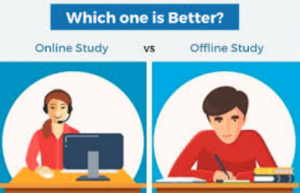
In today’s world, neither online nor offline classes are completely better than the other. The best choice depends on the student’s learning style, resources, and goals. Many students now prefer a hybrid approach, combining the flexibility of online learning with the discipline of offline classes. For example, attending school physically while using online platforms for revision and extra practice.
Conclusion
Both online and offline classes play an important role in modern education. Online learning offers convenience and access, while offline learning provides structure and personal interaction. Instead of choosing one over the other, students should focus on using the strengths of both methods. In today’s scenario, a balanced approach is the most effective way to achieve better understanding and academic success.
–: End of Online vs Offline Classes: What’s Better in Today’s Scenario? :–
–: also visit : —
- How to Choose the Right Stream After Class 10th
- Science Stream After Class 10 – Reality, Subjects, Career Options
Please share with your friends
Thanks